India’s Top Wildlife Destinations: Parks & Sanctuaries
Explore the Wild Heart of India with Capture Wild India
India is a land of untamed beauty, where nature whispers through lush forests, thunders across tiger trails, and sings from misty Himalayan hills. With one of the richest biodiversities on Earth, India’s diverse landscapes—dense jungles, winding rivers, arid deserts, and snow-capped peaks—offer a sanctuary for countless species and unforgettable wildlife experiences.
At Capture Wild India, we specialize in curated wildlife tours that take you deep into the heart of India’s top national parks and wildlife sanctuaries. Every safari is an opportunity to reconnect—with nature, with the untold stories of the land, and perhaps even with yourself.
Join us as we explore the raw, wild beauty of India through expertly guided safaris and immersive journeys across its most iconic and offbeat wilderness destinations.
Jim Corbett National Park: India’s Oldest Tiger Reserve
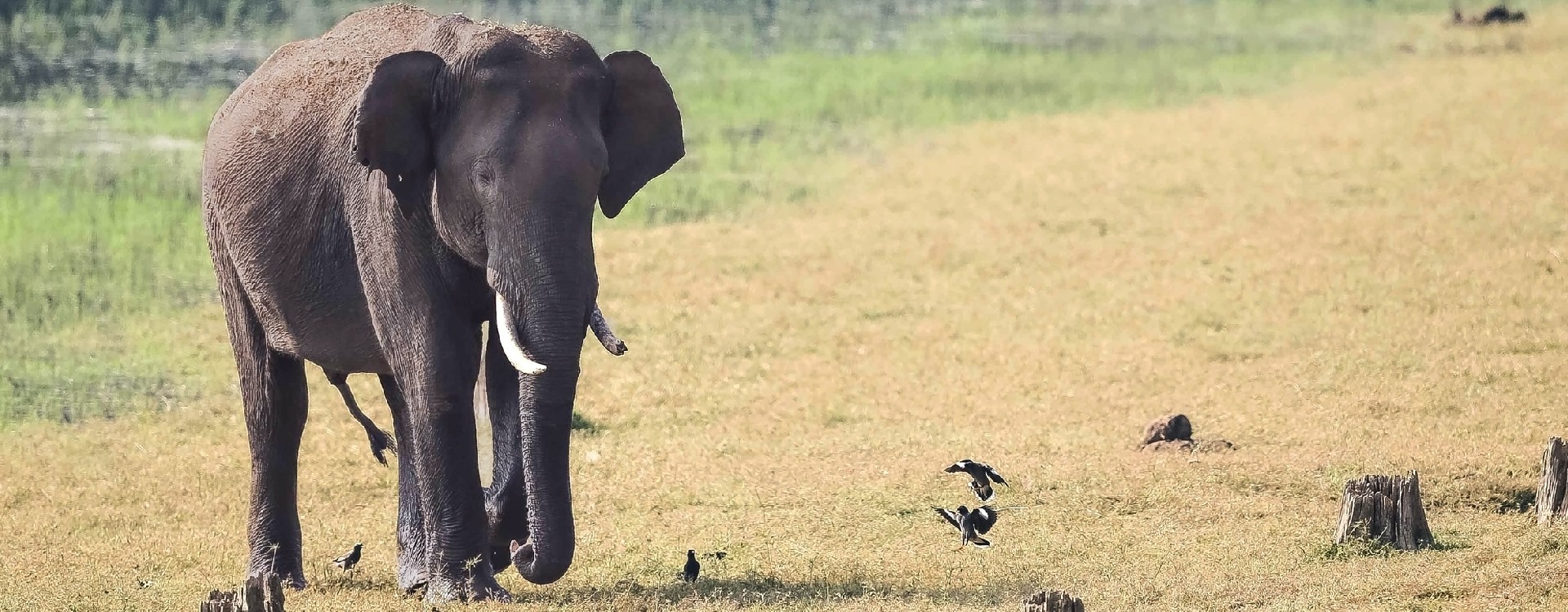
Established in 1936, Jim Corbett National Park is India’s oldest and one of the most iconic wildlife reserves, symbolizing the nation’s long-standing conservation heritage. Located in the Himalayan foothills of Uttarakhand, Corbett spans over 1,300 square kilometers and features a rich blend of sal forests, grasslands, riverine belts, and rolling hills.
The park is divided into multiple ecotourism zones, including Dhikala, Bijrani, Jhirna, Dhela, Durga Devi, and the Sitabani buffer zone.
• Dhikala Zone is the most popular, offering sweeping views, a high probability of tiger sightings, and encounters with elephants, gharials, otters, and over 600 species of birds.
• Bijrani and Jhirna Zones are known for their accessible safari routes and frequent wildlife activity.
• Durga Devi and Sitabani offer offbeat birdwatching and peaceful forest experiences.
Corbett is a haven for birdwatchers, especially in the winter months, when migratory birds arrive in large numbers. Visitors can explore the park through jeep safaris, canter rides in Dhikala, and guided nature walks along the scenic Kosi River.
The best time to visit Jim Corbett National Park is from November to June, with the Dhikala zone open from mid-November. Whether you’re a wildlife photographer, birding enthusiast, or first-time safari-goer, Corbett promises an unforgettable wilderness experience in one of India’s most biodiverse landscapes.
Kaziranga National Park: The Land of the One-Horned Rhinoceros
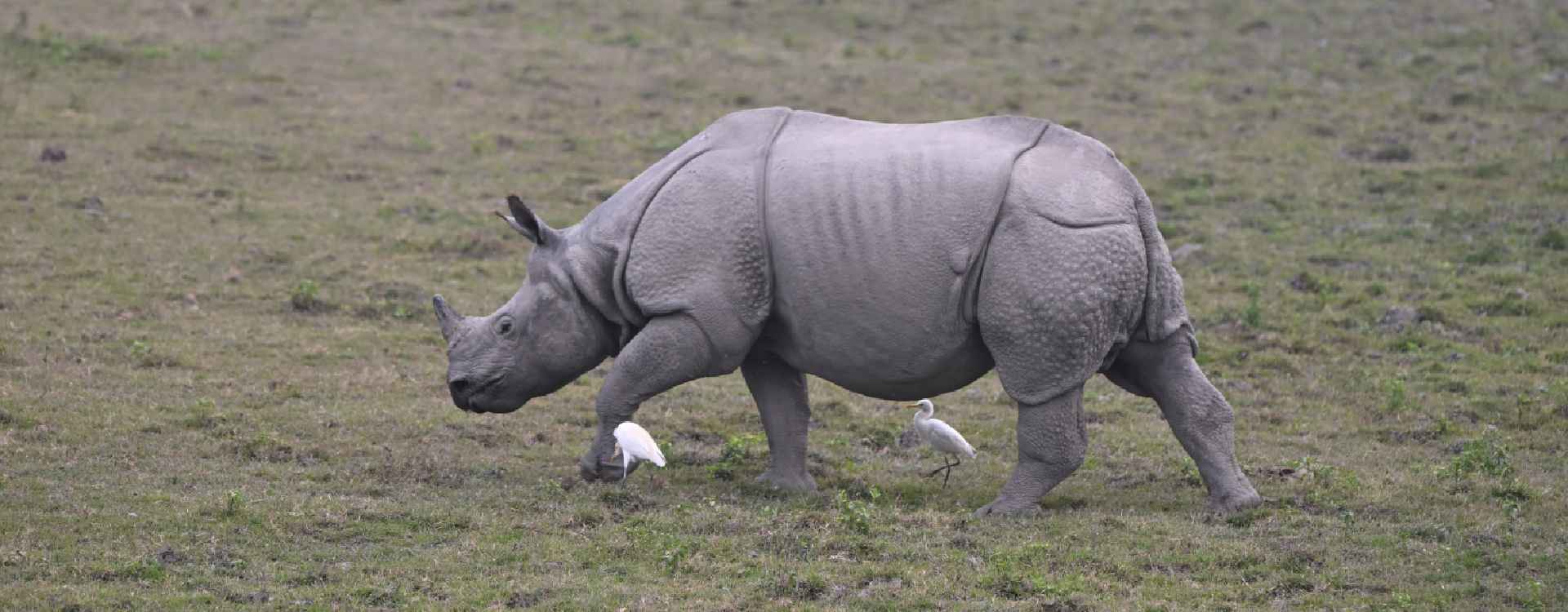
Kaziranga National Park, located in Assam along the floodplains of the Brahmaputra River, is one of India’s most iconic wildlife destinations and a designated UNESCO World Heritage Site. Spanning over 880 square kilometers, this celebrated reserve is world-famous for sheltering more than two-thirds of the global population of the endangered one-horned rhinoceros.
• The park’s diverse terrain—ranging from tall elephant grass and marshy wetlands to tropical broadleaf forests—supports a thriving population of wild Asiatic water buffalo, swamp deer, elephants, and a healthy number of tigers.
• Kaziranga is divided into four safari zones: Kohora (Central), Bagori (Western), Agaratoli (Eastern), and Burapahar (Hillside), each offering a unique blend of landscape and wildlife experiences.
• It is also regarded as one of the finest birding destinations in Asia, with over 480 species recorded, including migratory storks, pelicans, hornbills, and raptors.
• Visitors can enjoy both jeep and elephant safaris, providing close encounters with the park’s rich biodiversity, especially during the dry season from November to April.
Whether you’re a wildlife enthusiast, birdwatcher, or photographer, Kaziranga National Park offers one of India’s most rewarding safari experiences amidst breathtaking natural beauty and exceptional conservation success.
Bandhavgarh National Park: Land of the Royal Bengal Tiger
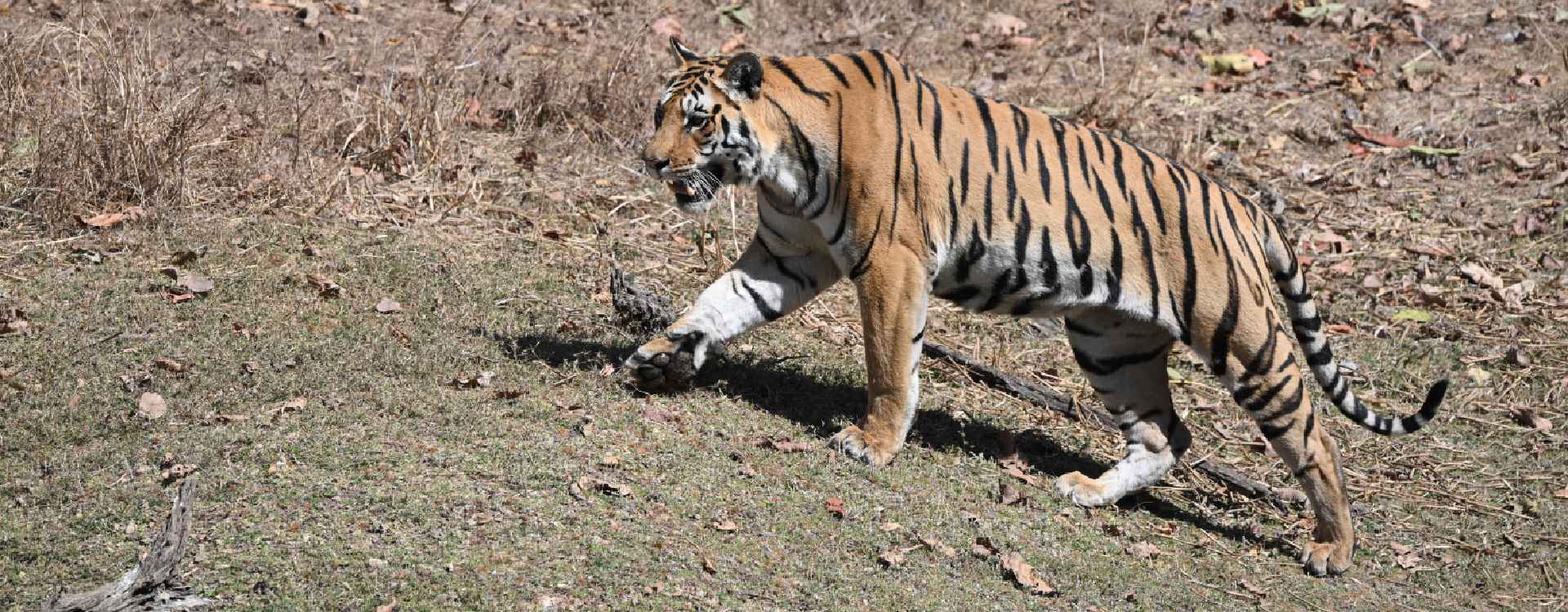
Set amidst the Vindhya Hills of Madhya Pradesh, Bandhavgarh National Park is one of India’s most renowned wildlife reserves, known for having one of the highest densities of Royal Bengal Tigers in the country. Spread across approximately 1,500 square kilometers including buffer zones, this former hunting ground of the Maharajas of Rewa has evolved into a premier destination for tiger safaris and wildlife photography.
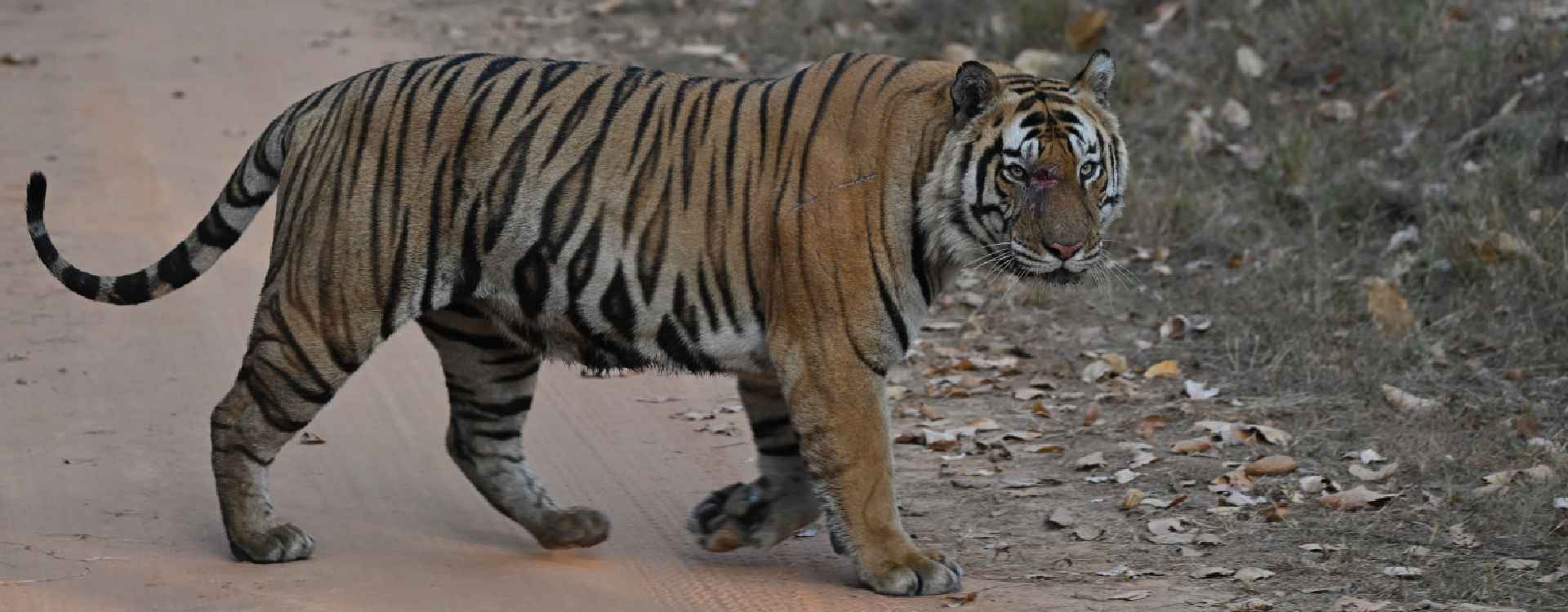
• The core safari zones—Tala, Magadhi, and Khitauli—offer distinct landscapes and excellent chances of spotting tigers and other big cats.
• Bandhavgarh’s rich deciduous forests and open meadows are also home to leopards, sloth bears, jackals, wild boars, and over 250 species of birds.
• Beyond wildlife, the park holds immense historical and cultural significance, featuring ancient rock shelters, inscriptions, and the majestic Bandhavgarh Fort, believed to be over 2,000 years old.
• This rare combination of biodiversity and heritage makes Bandhavgarh a uniquely immersive experience for nature lovers, historians, and photographers alike.
The best time to visit Bandhavgarh is between October and June, with the peak tiger-sighting season from March to May.
Kanha National Park: The Jungle That Inspired Kipling
Often described as one of India’s most picturesque wildlife reserves, Kanha National Park is the inspiration behind Rudyard Kipling’s The Jungle Book. Nestled in the heart of central India in Madhya Pradesh, Kanha is known for its breathtaking landscapes—expansive meadows, dense sal and bamboo forests, and the serene Banjar and Halon rivers.
• Spanning over 940 sq km of core forest, Kanha is the only place on Earth where you can spot the rare hardground barasingha (swamp deer), a conservation success story.
• The park is also home to a healthy population of Royal Bengal tigers, leopards, Indian wild dogs (dholes), sloth bears, and over 300 bird species, including crested serpent eagles and Asian paradise flycatchers.
• Key safari zones include Mukki, Kanha, Kisli, and Sarahi, all offering excellent wildlife photography opportunities and diverse terrain.
• Kanha’s well-managed tourism and rich biodiversity make it one of the best wildlife safari destinations in India.
The park is open from mid-October to June, with April and May considered ideal for tiger sightings, though these months bring higher temperatures.
Ranthambhore National Park: Where Tigers Roam Among Ancient Ruins
Located at the junction of the Aravalli and Vindhya ranges in southeastern Rajasthan, Ranthambhore National Park is one of India’s most visited and photogenic wildlife reserves. Spanning approximately 1,334 sq km, including core and buffer zones, the park is famous for its easily visible tiger population in a rugged, semi-arid landscape.
• What sets Ranthambhore apart is the striking presence of ancient ruins scattered throughout the park—palaces, temples, and the majestic 10th-century Ranthambhore Fort—creating a dramatic backdrop for wildlife photography.
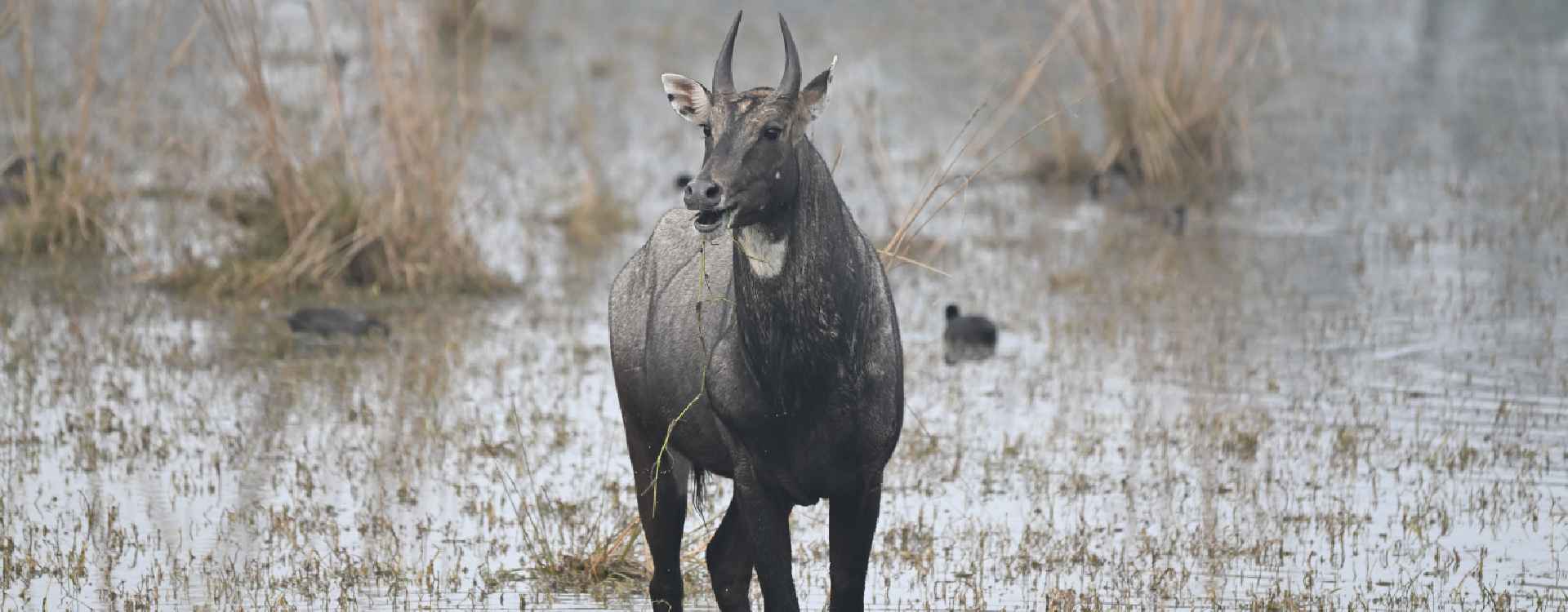
• Besides tigers, the park is home to leopards, striped hyenas, sambars, nilgai, marsh crocodiles, and over 300 species of birds, making it a haven for nature lovers and birdwatchers.
• Ranthambhore features 10 safari zones, each offering unique terrain and diverse wildlife experiences, from open grasslands and dry riverbeds to lakes and forested hills.
• It is one of the top wildlife destinations in India, perfect for both first-time safari-goers and seasoned photographers.
The best time to visit Ranthambhore is from October to June, with March to May offering the highest chances of tiger sightings due to sparse vegetation and increased wildlife activity near water sources.
Keoladeo Ghana National Park: India’s Iconic Birding Paradise
A UNESCO World Heritage Site and one of the world’s most important bird sanctuaries, Keoladeo Ghana National Park in Bharatpur, Rajasthan, is a wetland marvel renowned for its avian diversity and ecological significance. Once a royal duck-hunting reserve, it was declared a protected national park in 1982 and has since become a haven for birdwatchers and photographers.
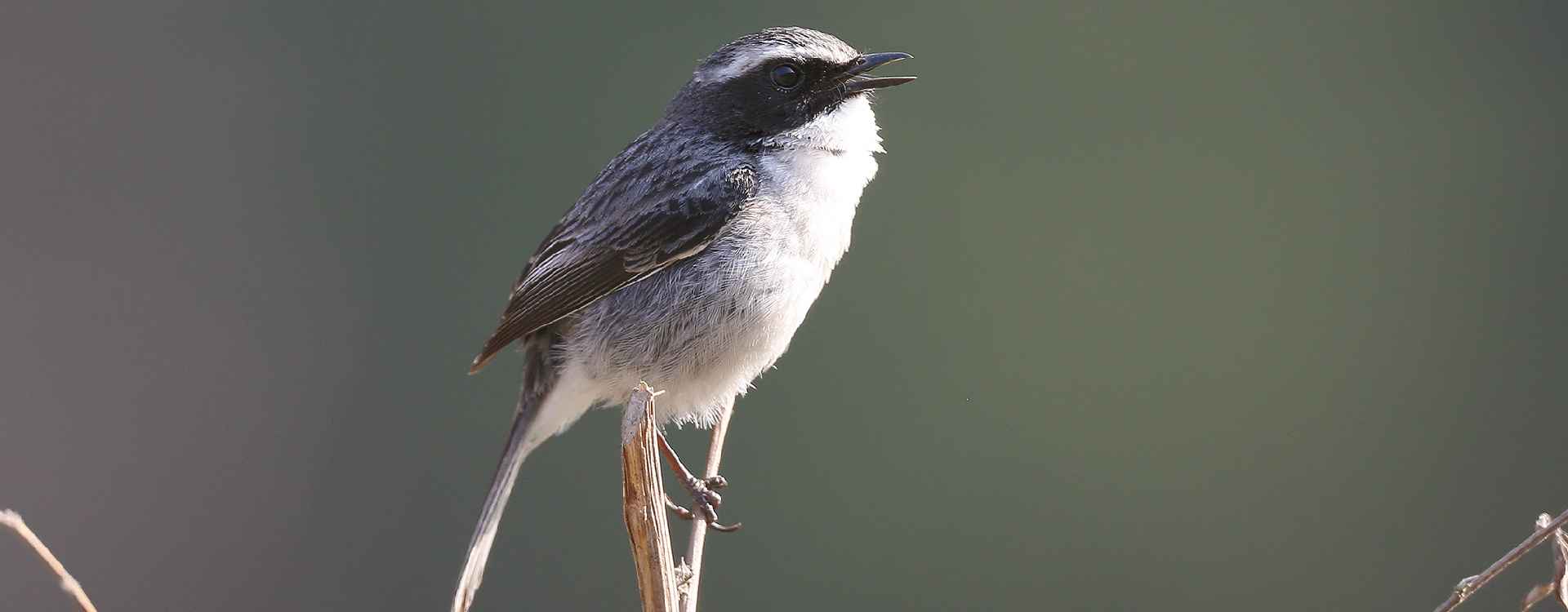
• The park hosts over 370 bird species, including many rare and migratory visitors.
• In the winter months, it attracts bar-headed geese, painted storks, pelicans, spoonbills, and the endangered Siberian crane (though rarely seen today).
• Spanning just 29 sq km, the park is ideal for walking, cycling, or rickshaw safaris, offering intimate, up-close birdwatching experiences.
• Apart from birds, visitors may spot golden jackals, nilgai, mongoose, and civets in the marshy and forested areas.
The best time to visit Keoladeo Ghana is from October to February, when migratory birds arrive in large numbers, transforming the park into one of Asia’s most vibrant birding hotspots.
Satpura National Park: India’s Hidden Wilderness Gem
Tucked away in the Hoshangabad district of Madhya Pradesh, Satpura National Park is one of India’s most underrated yet rewarding wildlife destinations. Spanning over 1,400 sq km, the park forms a crucial part of the Satpura Tiger Reserve and offers a unique, less-crowded alternative to the more commercial national parks in India.
• Satpura stands out for its diverse safari experiences, including jeep safaris, walking safaris, boat safaris on the Denwa River, and canoeing, making it ideal for those seeking a more immersive and tranquil wildlife experience.
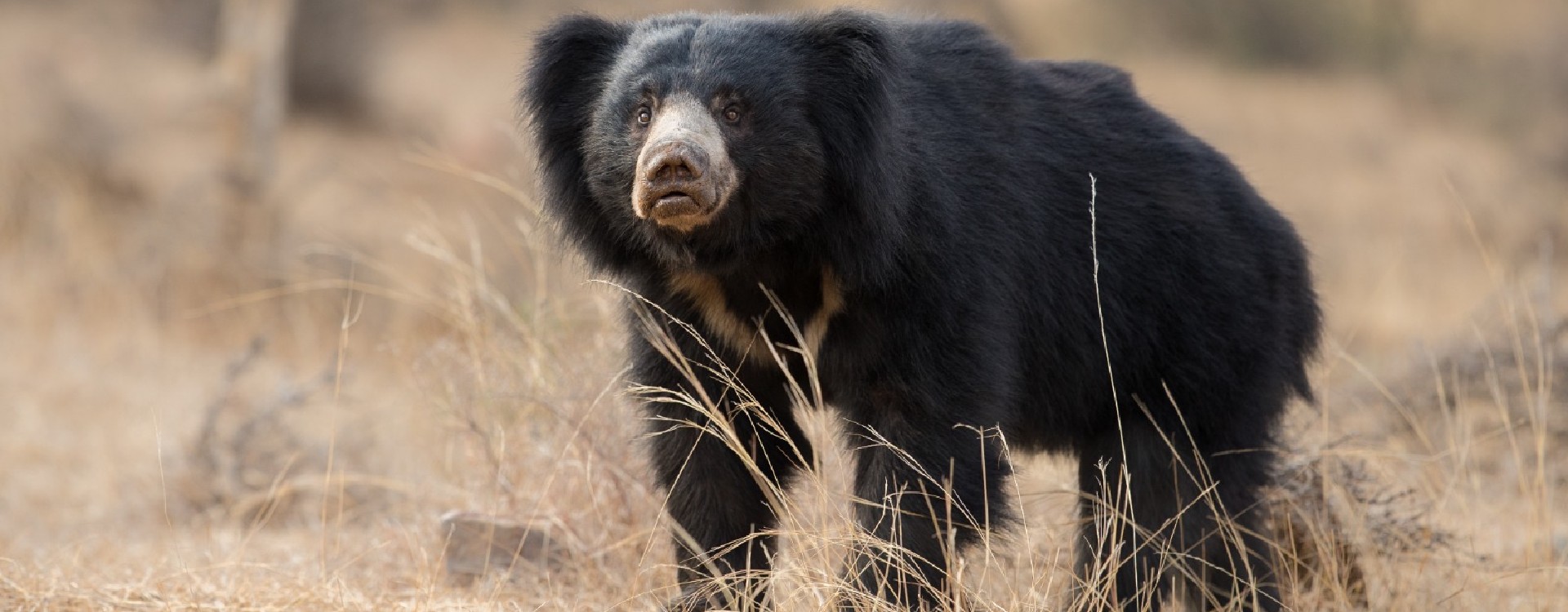
• The park’s rugged, hilly landscape is rich in biodiversity, home to leopards, sloth bears, Indian giant squirrels, wild dogs (dholes), and a variety of bird species.
• Its dense and relatively untouched forest cover provides an authentic wilderness atmosphere, perfect for travelers who prefer offbeat, nature-connected journeys.
• A visit to Churna Camp, either for a night stay or day trip, enhances the wilderness experience with deeper forest exploration.
The best time to visit Satpura National Park is from October to April, when the weather is pleasant and wildlife sightings are at their peak.
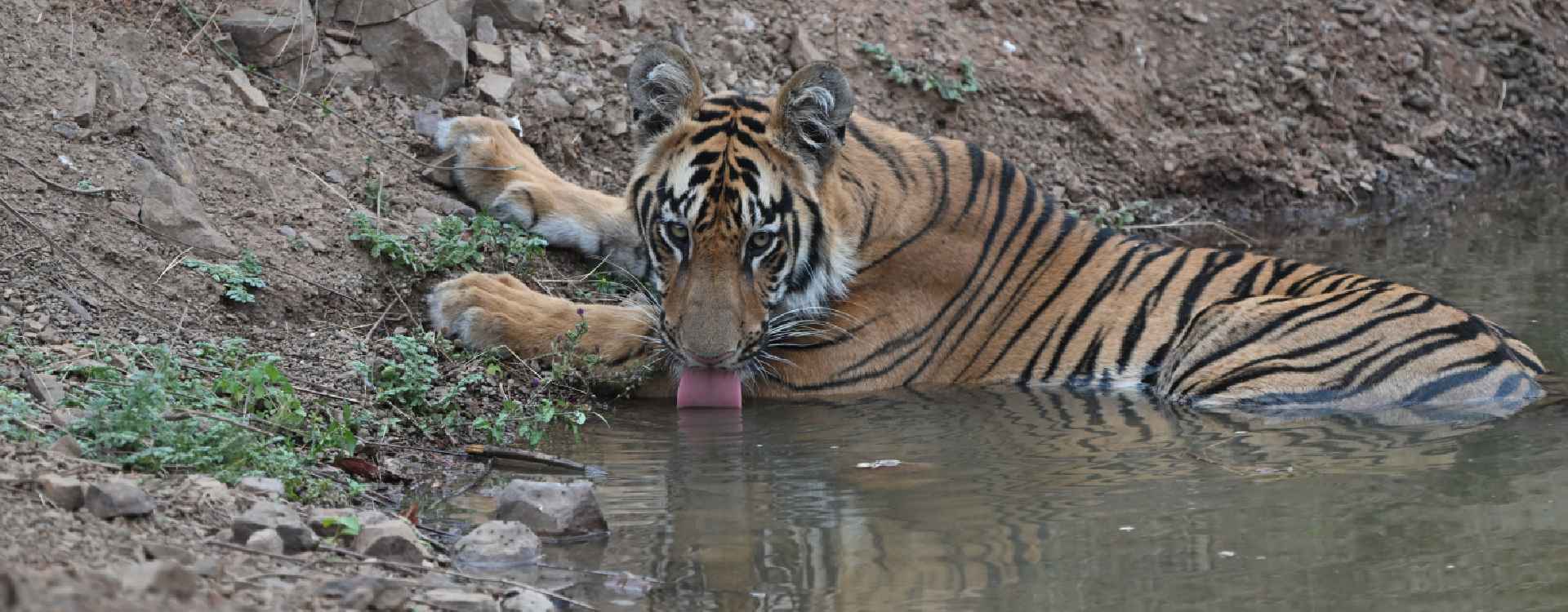
Tadoba National Park: Maharashtra’s Premier Tiger Safari Destination
Located in the Chandrapur district of Maharashtra, Tadoba Andhari Tiger Reserve is one of India’s oldest and most exciting wildlife destinations. Spanning over 1,700 sq km including core and buffer zones, the park is known for its dry deciduous forests, bamboo thickets, and excellent tiger habitat.
• Tadoba has earned a reputation for consistent and reliable tiger sightings, making it a top destination for wildlife photographers and big cat enthusiasts.
• Several famous tiger families can often be seen along safari routes, especially during the warmer months when they frequent the waterholes.
• In addition to tigers, the park is home to leopards, sloth bears, wild dogs (dholes), hyenas, marsh crocodiles, and over 250 bird species, including raptors and waterbirds.
• Key safari zones include Moharli, Kolara, and Navegaon, each offering distinct landscapes and unique wildlife experiences.
• Tadoba is ideal for both first-time safari-goers and seasoned wildlife enthusiasts looking for a high chance of tiger encounters.
The park is open from October to June, with March to May offering the best opportunities for tiger photography due to increased wildlife activity around water sources.
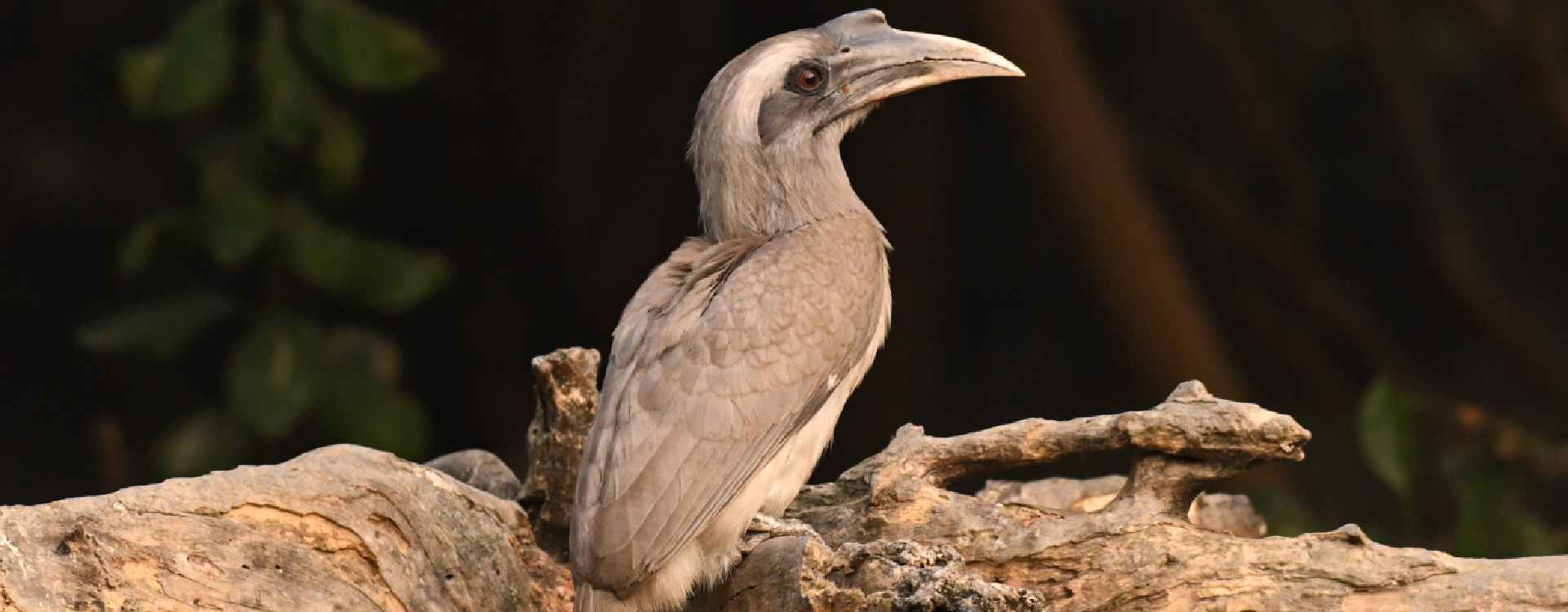
Eaglenest Wildlife Sanctuary: A Birding Paradise in Arunachal Pradesh
Located in the biodiverse West Kameng district of Arunachal Pradesh, Eaglenest Wildlife Sanctuary is one of the finest birdwatching destinations in India and a globally recognized biodiversity hotspot. Situated at altitudes ranging from 500 to 3,250 meters, the sanctuary is part of the Eastern Himalayan foothills and offers incredible ecological diversity.
• Eaglenest is world-renowned for its exceptional birdlife, with over 450 recorded bird species, including the rare Bugun Liocichla, which was first discovered here.
• The sanctuary is also home to rufous-necked hornbills, ward’s trogons, sultan tits, mountain hawk-eagles, and various laughingthrushes, pheasants, and warblers.
• Apart from birds, Eaglenest shelters Himalayan black bears, red pandas, clouded leopards, and numerous butterfly and amphibian species.
• Its pristine cloud forests, bamboo groves, and moss-draped trees create an atmospheric and ethereal landscape that’s ideal for eco-tourism and nature photography.
• With minimal tourist traffic, Eaglenest offers a peaceful, immersive experience for birders, researchers, and wilderness seekers.
The best time to visit Eaglenest Wildlife Sanctuary is from March to May and October to November, when bird activity is at its peak and the weather is ideal for exploration.
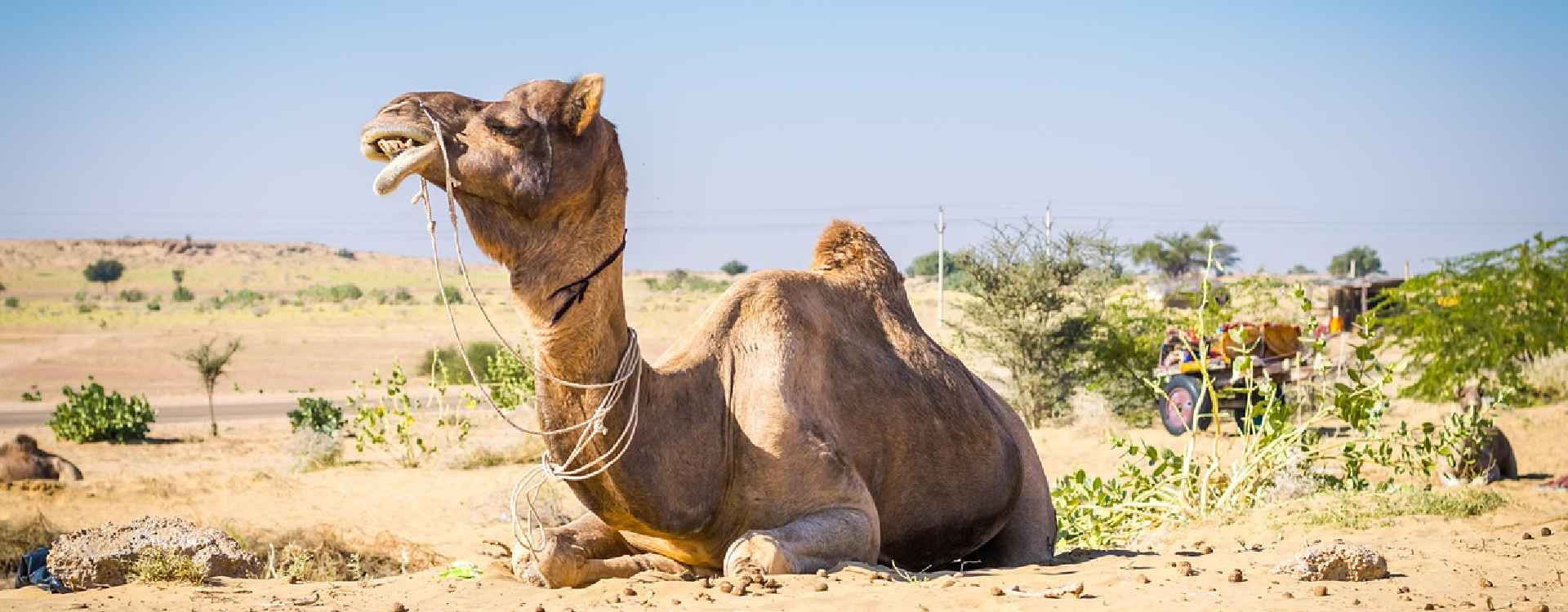
Desert National Park: A Rare Wildlife Haven in the Thar Desert
Located near Jaisalmer in Rajasthan, Desert National Park offers a stunning glimpse into the stark beauty and delicate ecology of the Thar Desert. Spanning over 3,000 sq km, this unique reserve is one of the last strongholds of the critically endangered Great Indian Bustard.
• The park’s rugged landscape features sand dunes, rocky outcrops, salt flats, and sparse scrub vegetation, creating a dramatic desert ecosystem.
• Despite its arid conditions, the park supports a range of desert-adapted wildlife including chinkaras (Indian gazelles), desert foxes, Indian hedgehogs, and monitor lizards.
• It is also a prime destination for birdwatchers, with sightings of raptors such as the short-toed eagle, tawny eagle, and numerous migratory birds during winter.
• Jeep safaris, especially in the early mornings and late afternoons, offer the best chances to observe wildlife and the breathtaking desert scenery.
The best time to visit Desert National Park is from November to March, when cooler temperatures and migratory bird activity enhance the overall experience.
And So Many More…
This is just the beginning of your journey into wild India. From the mangrove-dwelling tigers of the Sundarbans and the vibrant coral reefs of the Gulf of Mannar, to the mist-covered rainforests of Valparai, the elusive snow leopards of Hemis, and the breathtaking alpine meadows of Nanda Devi, India’s wilderness is as diverse as it is vast.
Each national park, wildlife sanctuary, and ecological hotspot holds its own rhythm, stories, and spirit—inviting you to discover the untamed soul of the subcontinent.
Let the Wild In and Discover India’s Most Iconic Wildlife Safaris
At Capture Wild India, we don’t just organize safaris — we craft immersive wildlife journeys across India’s national parks and sanctuaries. With expert naturalists, personalized hospitality, and deep-rooted field experience, we help you explore the wild the way it’s meant to be — ethical, respectful, and deeply soulful.
Walk the jungle trails, follow alarm calls, and watch golden light filter through ancient trees.
Witness tigers in the grasslands, red pandas in cloud forests, or migratory birds in winter wetlands.
Every moment with us is designed to help you connect with India’s rich biodiversity, responsibly and meaningfully.
Fall in love with India’s wilderness — one unforgettable moment at a time.